Evaluating Making 3D Flower Resin Coasters: A Practical Guide to Sandra Lett’s Technique
For hobbyists and professional resin artists alike, the pursuit of unique decorative items often leads to a crossroads between simplicity and complexity. Making 3D Flower Resin Coasters represents a specific intersection where artistic expression meets technical precision. This approach is not merely about pouring liquid plastic into a mold; it is about mastering depth, layering, and organic form to create functional art that captures the delicate beauty of nature in a permanent, durable state.
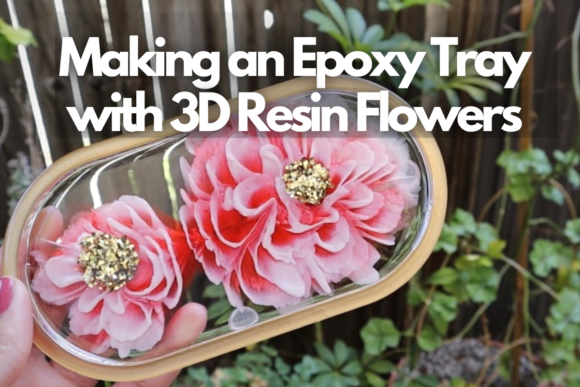
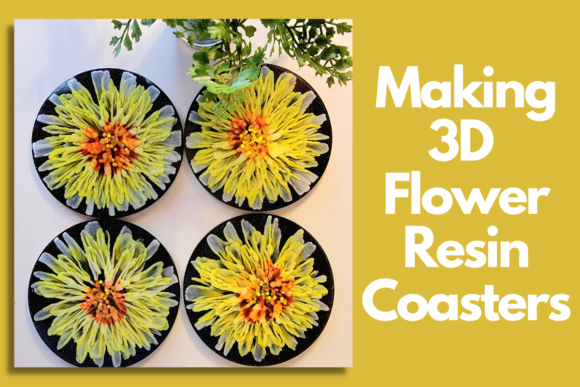
The class led by Sandra Lett offers a structured pathway for those looking to move beyond flat, two-dimensional resin designs. By focusing on the creation of three-dimensional flower petals, participants learn a technique that adds significant visual weight and realism to their projects. This article explores what this method entails, how it compares to other resin techniques, and whether it aligns with your current skill level and creative goals.
Understanding the Core Technique
At its heart, the process of making 3D flower resin coasters involves manipulating clear epoxy resin to simulate the translucency and curvature of real petals. Unlike standard casting, where an object is submerged in a single pour, this technique requires building up layers. Each layer must cure partially or fully before the next is added, allowing the artist to position individual petal shapes within the resin matrix.
Sandra Lett’s instruction emphasizes detailed yet simple explanations, which is crucial for beginners who may find resin chemistry intimidating. The key distinction here is the focus on "organic" placement. In traditional resin work, symmetry is often prized. In contrast, creating realistic flowers requires embracing asymmetry and natural variation. The goal is to avoid the "plastic look" and instead achieve a lifelike glow that mimics how light passes through actual plant tissue.
This technique transforms a coaster from a simple protective surface into a focal point. The 3D effect creates shadows and highlights that change depending on the viewing angle, adding a dynamic quality to the finished piece. For those who enjoy the calming and satisfying process of pouring resin, this method provides a meditative rhythm—mixing, pouring, positioning, and waiting—that can be deeply rewarding.
Comparing Approaches: 3D Layering vs. Other Methods
When evaluating different ways to incorporate floral elements into resin art, it is helpful to understand the tradeoffs between various methods. Choosing the right approach depends on your desired aesthetic, time availability, and tolerance for trial and error.
Flat Embedding vs. Layered Construction
The most common alternative to the 3D layering method is flat embedding. This involves placing dried flowers directly onto a base layer of resin and then covering them with a top coat. While this method is faster and less technically demanding, it often results in a flatter appearance. The flowers can appear trapped or distorted if the top coat is too thick, and achieving true depth is difficult without multiple thin pours.
In contrast, Making 3D Flower Resin Coasters allows for greater control over the final composition. By constructing the flower petal by petal within the resin, you can ensure that each element remains distinct and retains its shape. This method reduces the risk of bubbles forming around the edges of dried petals, which is a common issue in flat embedding due to the porous nature of dried plant matter absorbing air.
Polymer Clay Accents vs. Pure Resin Sculpting
Some artists combine resin with polymer clay, sculpting the flowers separately and then encasing them in resin. This hybrid approach offers durability and vibrant colors but requires firing the clay pieces beforehand, adding a step to the workflow. It also creates a distinct boundary between the flower and the resin background.
The pure resin method taught in this class eliminates the need for additional materials like clay. Instead, the resin itself becomes the medium for sculpting. This results in a more seamless integration, where the flower appears to grow out of the coaster rather than sitting on top of it. However, it demands a higher level of patience and understanding of resin curing times.
Evaluating Suitability for Different Skill Levels
One of the primary considerations for any craft course is accessibility. Is Making 3D Flower Resin Coasters suitable for someone who has never worked with epoxy before? Or is it better suited for experienced artists looking to refine their skills?
- Beginners: For those new to resin, this class serves as an excellent entry point. The foundational skills learned—measuring ratios, degassing bubbles, and managing cure times—are transferable to all resin projects. Sandra Lett’s simplified explanations help demystify the chemical aspects of resin, reducing anxiety for novices. The immediate visual reward of seeing a beautiful flower take shape helps maintain motivation during the learning curve.
- Advanced Artists: For seasoned resin users, this technique offers a chance to break out of repetitive patterns. Many advanced artists fall into a rut with standard geometric casts or simple inclusions. Learning to manipulate organic forms challenges spatial reasoning and enhances fine motor control. The class provides stunning design examples that can inspire more complex jewelry or wall art pieces beyond just coasters.
The versatility of the technique means that learners are not confined to coasters. Once mastered, the ability to create 3D floral elements can be applied to pendants, earrings, table tops, and decorative trays. This scalability adds value to the initial investment of time and money.
Practical Considerations and Tradeoffs
While the aesthetic results are compelling, there are practical factors to consider before committing to this method. Understanding these tradeoffs will help you decide if this approach fits your lifestyle and workspace.
Time Investment
Resin is inherently a slow medium. The layered approach required for 3D flowers extends this timeline significantly. You cannot rush the process; attempting to add a new layer before the previous one has reached the correct viscosity can lead to cloudiness or improper bonding. If you are looking for quick turnaround projects, this method may feel frustratingly slow. However, if you view crafting as a way to unwind, the extended time spent working with the material can be part of the therapeutic experience.
Material Costs and Waste
High-quality epoxy resin is an investment. Because the 3D technique requires precise pouring and often involves trimming or adjusting petals, there is a higher potential for material waste compared to simpler methods. Beginners should budget for extra supplies to account for mistakes. Additionally, the cost of molds designed for coaster-sized 3D effects can vary widely. Investing in high-quality silicone molds is recommended to ensure clean release and sharp details, but this adds to the initial setup cost.
Environmental Control
Working with resin requires a controlled environment. Dust is the enemy of clear resin, and temperature fluctuations can affect curing. Creating 3D flowers involves open pours that are susceptible to airborne particles settling on the sticky surface. Ensuring you have a dust-free space, such as a dedicated cabinet or tent, is essential. This requirement might be a barrier for those working in shared or multi-purpose spaces.
Decision Factors: When to Choose This Path
Determining whether Making 3D Flower Resin Coasters is the right choice for you involves weighing your artistic priorities against the practical constraints mentioned above.
You should consider this technique if:
- You value realism and depth in your artwork over speed.
- You enjoy the meditative, step-by-step process of building something from scratch.
- You want to develop a specialized skill that sets your work apart from generic resin products.
- You are willing to invest in proper ventilation and dust-control measures.
Alternatively, you might explore other options if:
- You prefer rapid production cycles and mass-producing items for sales.
- You are uncomfortable with the chemical handling aspects of resin.
- You lack a dedicated, climate-controlled workspace.
- You are interested in abstract or non-organic designs, where 3D layering offers less advantage.
Conclusion
The class on Making 3D Flower Resin Coasters by Sandra Lett provides a robust framework for learning a sophisticated resin technique. It bridges the gap between beginner-friendly instructions and advanced artistic outcomes. By focusing on the nuances of layering and organic form, it offers a distinct alternative to flat embedding or hybrid material methods.
Ultimately, the decision rests on your personal definition of success in crafting. If you seek a project that combines technical learning with aesthetic beauty and offers a relaxing, immersive experience, this technique is highly recommended. It equips you with skills that extend far beyond coasters, empowering you to create truly unique, three-dimensional art pieces that stand out in both function and form.